Spotting trouble early on your Miami lawn
Living in Miami means your lawn endures heat, humidity, and sudden rainstorms. When something isn’t right, it shows up quickly. A few stubborn clues can save you from bigger problems down the line. Start by walking your yard and scanning for color, texture, and moisture patterns.
First, check color. Healthy turf in Miami should look uniform. If you see pale, bluish-green patches or a lawn that looks dull, that’s often a sign something isn’t feeding the roots the way it should. Next, feel the blades. If they’re soft or limp after a rain, the grass might be getting too much water in spots or not enough air flow through the soil.
Finally, look for growth patterns. If certain areas grow patchier than others, or you find thin blades mixed in with thick clumps, the problem could be compacted soil, poor drainage, or nutrient imbalances. These issues are common in residential lawns here in Miami, especially after a heavy rain or a hot dry spell.
Neighborhood cues you can’t ignore
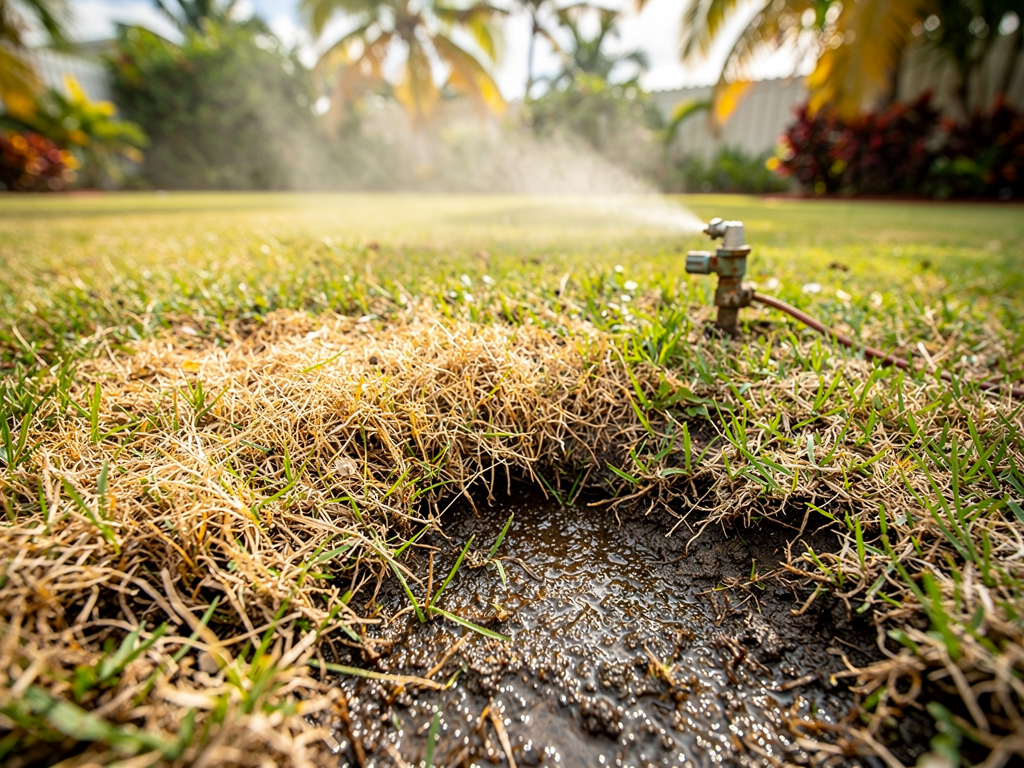
Observe how water moves after a Florida shower. Puddling or soggy patches that don’t drain within 24 hours point to drainage issues. If you notice fungi or moss popping up in shady spots, those areas are staying damp and may need a different approach. In Miami, heat-loving weeds can fill gaps quickly, so early weeding helps keep the lawn from thinning out.
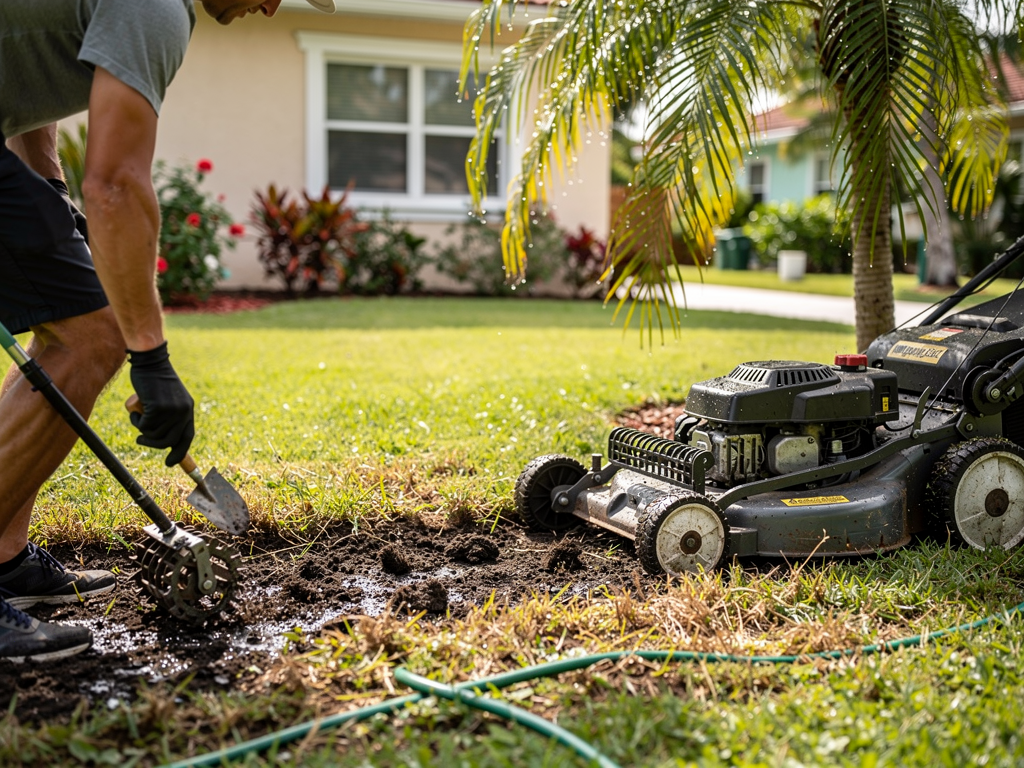
Another frequent signal: mower marks. If you see tracks along the lawn after mowing, you’re probably dealing with compacted soil or overly wet ground. That makes it hard for roots to take hold and for the grass to recover after cutting.
What to do next
Document the spots you’re worried about with a photo. Then note when you first saw the issue and what recent weather you’ve had. A local pro like Miami Lakes Tree Care can help evaluate soil moisture levels, check for compaction, and give you a simple plan tailored to your yard. In many cases, addressing soil health and proper irrigation timing can turn things around in a season.
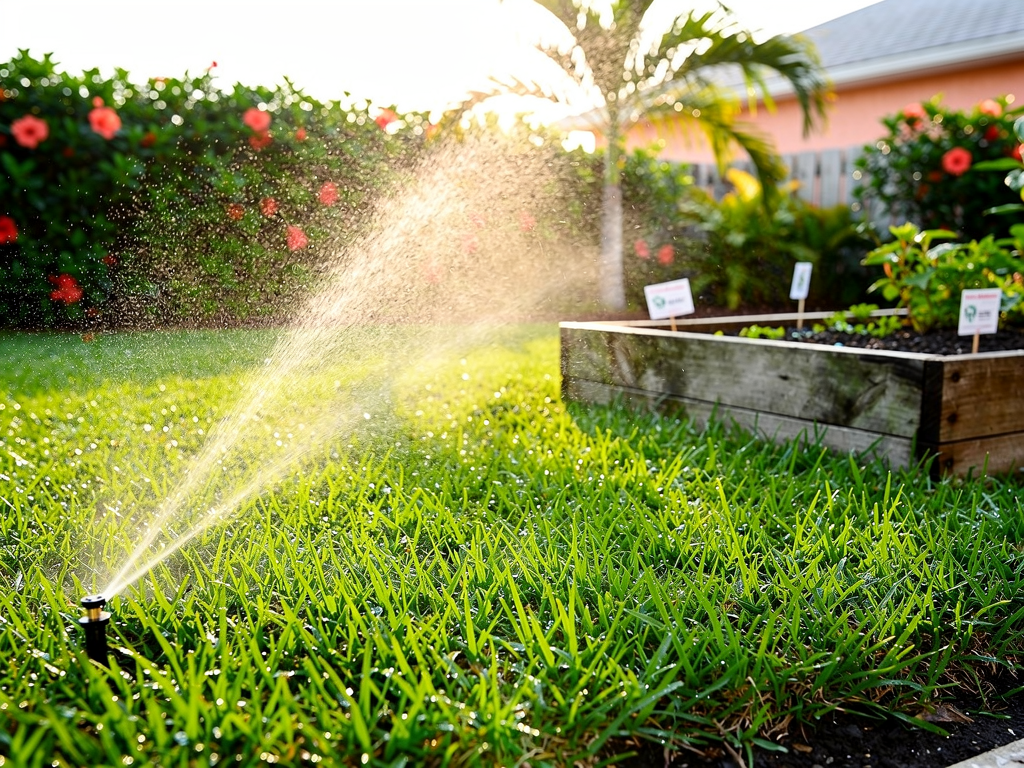
Keep an eye on irrigation. In Miami, run water early in the day to reduce evaporation. Don’t overwater; slow, deep watering encourages roots to grow down and keeps the surface from staying soggy. If you’re unsure about your sprinkler zones, a quick audit can save you time and money later.
Quick tips you can try this weekend
- Test soil in a few different spots to check pH and texture.
- Lift a small section of sod and look at the roots—are they dense or sparse?
- Adjust irrigation so you’re not watering the leaves as much as the soil.