Winter and early spring in Miami
Even in Miami, the lawn slows down a bit in winter. That doesn’t mean it can’t grow, though. Start with a light fertilization plan to keep root activity steady. Don’t overdo nitrogen—cool-season grasses aren’t common here, but a slow-release formula helps. Check irrigation in the cooler days; you’ll often need less water than you think.
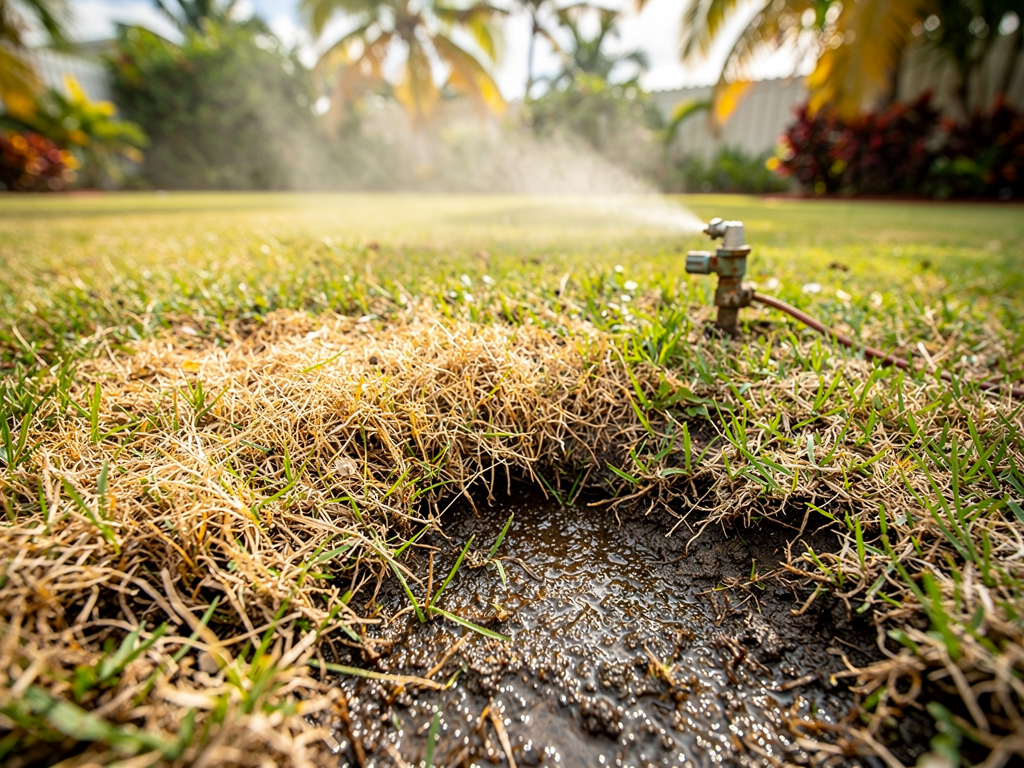
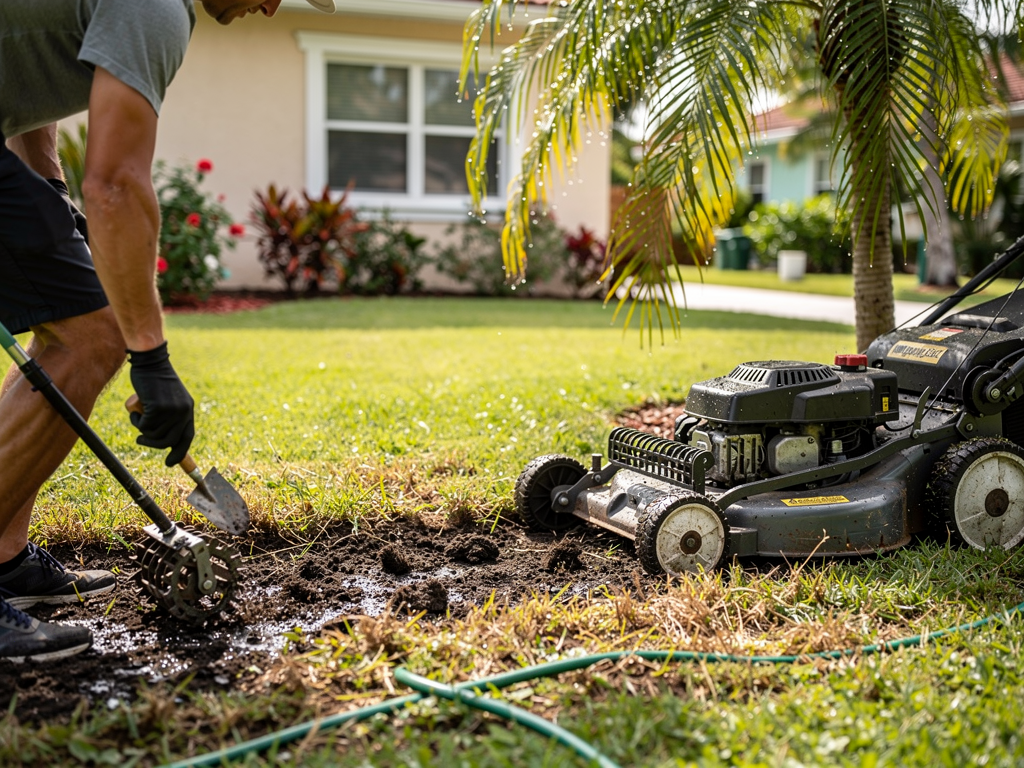
As days warm, inspect for compacted soil after heavy rains. Aeration, if your lawn is dense and receives foot traffic, helps air and water reach roots. If you see moss in shady spots, trim tree canopies to let more sun on the turf and reduce dampness.
Preparing for the heat of late spring and summer
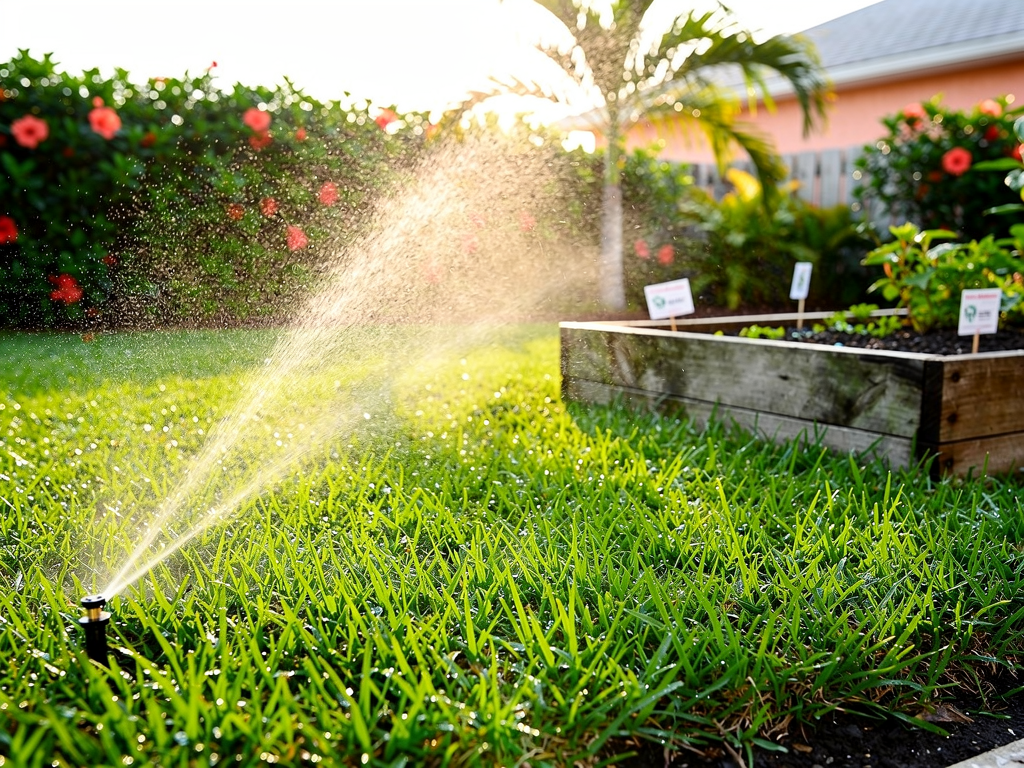
Miami summers demand smart watering. Water early in the morning, and avoid late-day irrigation that invites fungal growth. Use a nozzle that delivers water slowly and deeply—aim for 6 to 8 inches of moisture per week when you’re not seeing regular rain. If you have clay soil, you’ll benefit from a longer soak a couple of times a week instead of short, frequent watering.
Mulch around trees and garden beds helps soil stay cool and reduces weed pressure. Keep mower blades sharp and set the height for your grass type. Taller blades shade the soil, keep moisture in, and reduce stress during the heat.
Fall into a steady routine
In Miami, fall can bring mixed weather. Continue a steady irrigation schedule, and re-check soil health. This is a good window for a light overseed or patching thin areas, if your lawn variety supports it. Monitor for early signs of disease after the rainy season and address promptly with cultural practices first, then consider targeted products.
Simple, repeatable routines
- Run a soil test every year and follow the recommendations.
- Keep mower height appropriate to the grass type and season.
- Schedule a hydration audit after major rain events to avoid overwatering.